
Article: Do Visor Ski Helmets Fog Up? Myths vs. Reality
Do Visor Ski Helmets Fog Up? Myths vs. Reality
Fogged ski goggles can turn a beautiful day on the mountain into a frustrating experience. One moment you're enjoying clear views of the slopes, and the next you're struggling to see through a layer of condensation.
For skiers considering a visor ski helmet, one question comes up frequently: **Do visor ski helmets fog up?**
The short answer is yes, they can. But modern visor ski helmets use advanced lens technology, anti-fog treatments, and integrated ventilation systems to help minimize fogging.
Understanding how these features work—and what separates a single-lens visor from a double-lens design—can help you choose the right helmet for your skiing.
Myth #1: Visor Ski Helmets Fog Up More Than Goggles

It's easy to assume that a larger visor lens would be more susceptible to fogging than traditional ski goggles. But lens size alone doesn't determine how much condensation develops.
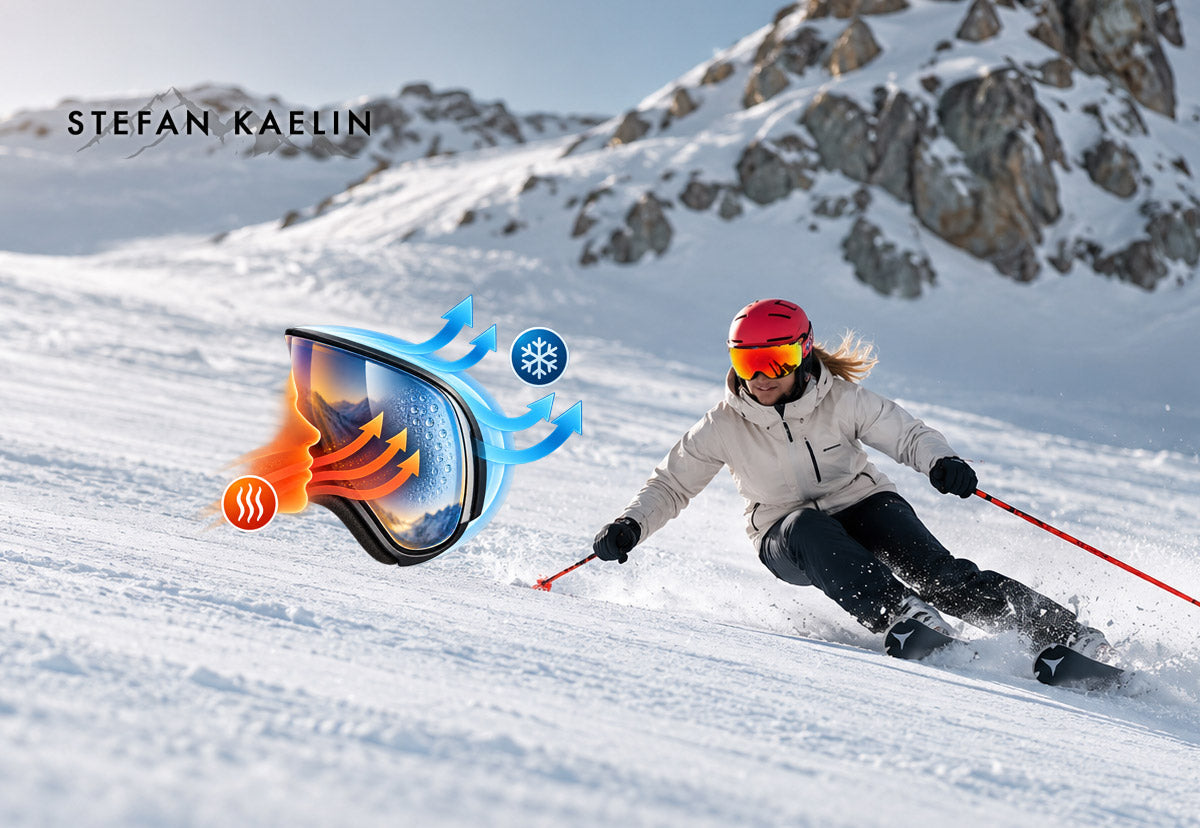
Fogging occurs when warm, moisture-filled air meets a sufficiently cold lens surface. Sweat, breathing, temperature changes, and restricted airflow can all contribute. As explained in REI's guide to preventing lens fogging, managing moisture and maintaining proper airflow are essential to keeping lenses clear
Modern visor ski helmets are designed to manage these conditions through several features:
-
Integrated ventilation: Air channels help move warm, humid air away from the face and visor.
-
Anti-fog lens treatments: Specialized coatings help reduce the formation of visible condensation.
-
Double-lens construction: An insulating air space helps reduce temperature differences that contribute to fogging.
- Adjustable visors: Many models allow skiers to raise the visor temporarily for additional ventilation.
High-quality ski goggles use many of these same technologies. The advantage of a visor helmet isn't that it can never fog, but that its integrated design offers a convenient way to manage airflow, vision, and comfort.
Myth #2: All Visor Ski Helmets Have the Same Anti-Fog Protection
Not all visor lenses are constructed the same way. One of the most important differences is whether the visor uses a single-lens or double-lens design.
Single-Lens Visors
Single-lens visors use one layer of lens material, typically with an anti-fog treatment to help manage condensation.
These lenses can provide good visibility in many skiing conditions, particularly when paired with effective ventilation.
However, without an insulating air gap, a single lens may be more vulnerable to temperature changes that encourage condensation.
Double-Lens Visors
Double-lens visors use two lens layers separated by an insulating air space.
This construction helps keep the inner lens surface warmer relative to the outside air, reducing the likelihood that moisture will condense on it.
Double-lens systems also commonly incorporate anti-fog treatments, providing an additional layer of fog resistance.
For skiers who regularly encounter cold temperatures, changing weather, or persistent fogging problems, a double-lens visor is generally the better choice.
How CP, Kask, and Atomic Approach Anti-Fog Technology
At Stefan Kaelin, we specialize in premium visor ski helmets from three leading European brands: CP, Kask, and Atomic.
Each approaches lens design, ventilation, and comfort differently.
CP Sports: Versatile Lens Options
Swiss helmet specialist CP offers a selection of visor lenses designed for different skiing conditions and preferences.
CP's single-lens visors feature anti-fog treatments, while its double-lens options provide additional insulation to help reduce condensation.
Depending on the lens selected, skiers can also benefit from photochromic technology that adjusts tint in changing light or polarized lenses that reduce glare.
CP's interchangeable visor system makes it possible to select a lens suited to your skiing conditions.
For skiers concerned about fogging, we recommend considering CP's double-lens options.
Kask: Integrated Comfort and Visibility
Italian helmet manufacturer Kask combines premium helmet construction with integrated visor designs.
Its visor systems are engineered to work with the helmet's fit and ventilation features, helping skiers maintain comfortable airflow and clear visibility.
When comparing Kask models, pay attention to the specific visor construction, anti-fog treatment, and ventilation features rather than assuming every model uses an identical lens system.
Atomic: Double-Lens Technology and Active Ventilation
Austrian ski equipment manufacturer Atomic offers visor helmets featuring integrated lens systems and advanced ventilation.
Selected models, including the Savor GT Visor HD, use double-lens construction with an anti-fog inner lens treatment.
Atomic's Active Aircon Venting system allows skiers to regulate airflow, helping manage warmth and moisture as conditions change.
For skiers who move between sunny slopes, shaded terrain, and changing weather, Atomic also offers lens technologies designed to improve contrast and visibility.
Myth #3: Visor Helmets Never Fog Up
Even the best anti-fog technology has limitations.
A visor helmet can still fog under certain conditions, including:
-
High exertion: Aggressive skiing or hiking can increase perspiration and humidity inside the helmet.
-
Rapid temperature changes: Moving between a warm lodge and freezing outdoor temperatures can encourage condensation.
-
Blocked ventilation: Snow, clothing, or improperly adjusted vents can restrict airflow.
-
Excess moisture: Wet helmet padding or trapped humidity can increase fogging.
- Improper lens care: Scratched or damaged anti-fog coatings may become less effective over time.
No helmet or lens system can guarantee completely fog-free skiing in every condition.
The goal is to choose a well-designed visor helmet and use it correctly to minimize the circumstances that cause fogging.
Are Visor Ski Helmets Better for Skiers Who Wear Glasses?
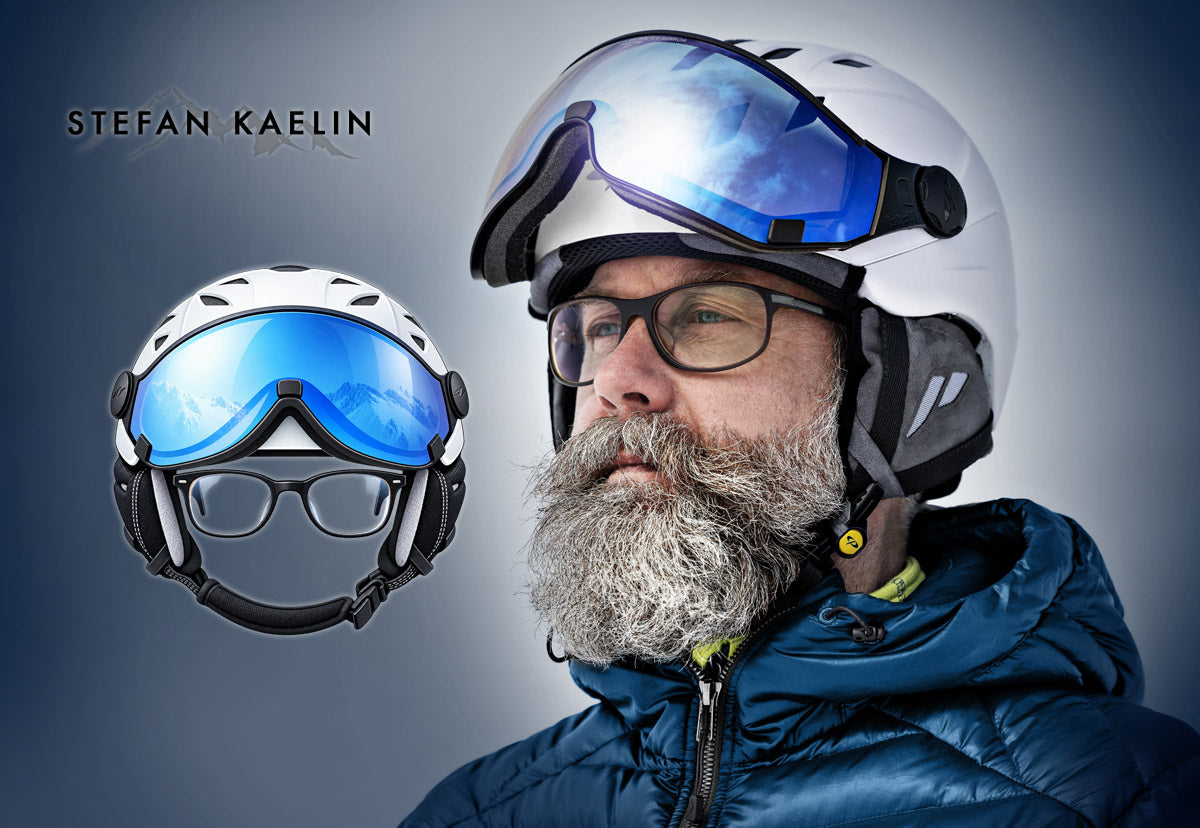
For skiers who wear prescription glasses, visor helmets offer another important advantage.
Traditional over-the-glasses (OTG) goggles can create pressure around eyeglass frames and restrict the space available for ventilation.
A properly fitted visor helmet often provides more room between the visor and the face, allowing prescription glasses to sit more naturally.
This can help reduce discomfort and make it easier to adjust the visor without disturbing your glasses.
However, it's important to remember that your prescription glasses can still fog even when the visor remains clear.
Proper helmet fit, sufficient clearance around the eyeglass frames, and good ventilation are essential.
For a more detailed comparison, read our guide to The Best Ski Helmets for Glasses Wearers.
How to Prevent Your Visor Ski Helmet From Fogging
Even with advanced lens technology, a few simple habits can make a significant difference.
1. Choose a Double-Lens Visor
If fog resistance is a priority, start with a double-lens design. The insulating air gap provides an important advantage in cold and variable conditions.
2. Keep Ventilation Open When Needed
Use your helmet's adjustable vents to manage heat and moisture. During strenuous skiing or warmer conditions, additional airflow can help reduce humidity.
3. Avoid Trapping Moisture Around Your Face
Make sure neck gaiters, balaclavas, and face coverings aren't directing warm breath upward toward the visor.
4. Raise the Visor When Appropriate
If moisture begins to accumulate while you're stopped, raising the visor can allow humid air to escape. Lower it before resuming skiing and ensure it is properly positioned.
5. Protect the Anti-Fog Coating
The inner surface of many visor lenses has a delicate anti-fog treatment.
Avoid rubbing or aggressively wiping this surface, especially when wet. Follow the helmet manufacturer's specific cleaning instructions and use approved materials.
6. Dry Your Helmet After Skiing
Allow the visor, helmet padding, and interior surfaces to dry thoroughly at room temperature before storing your helmet.
Keeping moisture from accumulating between ski days helps maintain comfort and visibility.

Frequently Asked Questions About Visor Helmet Fogging
Do visor ski helmets fog more than regular ski goggles?
Not necessarily. Both premium goggles and visor helmets use anti-fog treatments, ventilation, and double-lens technology. Actual fog resistance depends on lens construction, fit, airflow, and conditions.
Are double-lens visor helmets worth it?
For skiers who frequently encounter cold weather, temperature changes, or fogging problems, double-lens construction is a worthwhile feature. It helps reduce condensation by insulating the inner lens surface.
Can you wear prescription glasses under a visor helmet?
Yes. Many visor helmets are designed to accommodate prescription glasses, although fit and clearance vary by model. Always try the helmet with your glasses to ensure a comfortable fit.
What should I do if my visor fogs while skiing?
Stop somewhere safe, raise the visor to improve airflow, and allow moisture to dissipate. Check that ventilation openings are clear and avoid rubbing the inside lens.
Do photochromic lenses prevent fogging?
Not by themselves. Photochromic technology changes lens tint in response to light conditions. Anti-fog protection comes from lens construction, coatings, and ventilation.
The Bottom Line: Are Visor Ski Helmets Fog-Resistant?
Modern visor ski helmets are designed to provide clear vision and comfortable skiing across a wide range of conditions.
While no visor is completely immune to fogging, double-lens construction, effective ventilation, and properly maintained anti-fog coatings can significantly reduce the problem.
For skiers who value convenience, comfort, and an integrated helmet-and-visor system, premium models from CP, Kask, and Atomic offer compelling alternatives to traditional helmets and goggles.
At Stefan Kaelin, we help skiers understand the differences between visor technologies so they can select the helmet that best matches their needs.
Explore our collection of CP, Kask, and Atomic visor ski helmets and discover a clearer, more comfortable way to experience the mountain.